 Log in to the Airly Data Platform
 Airly Map
Is your municipality ready for the new EU air quality requirements?
The revised Ambient Air Quality Directive (AAQD 2024) and the CEN/TS 17660 technical specification introduce stricter pollutant limits, higher data quality expectations, and clearer obligations for public reporting.
Local authorities across the EU will need to demonstrate robust monitoring coverage, reliable evidence, and transparent communication with residents.
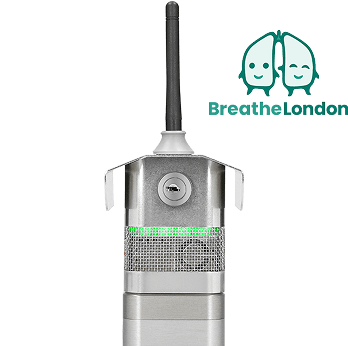
- Technology provider for the Breathe London programme
- Active contributor in the development of EN standards
- The only MCERTS-certified manufacturer in Poland
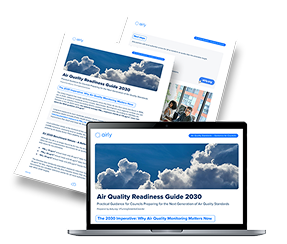
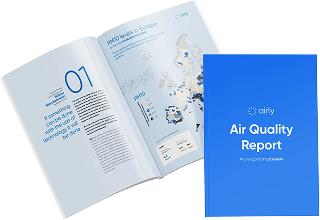
Download the Air Quality
Readiness Guide 2030 (PDF)
Check your council’s 2030
readiness
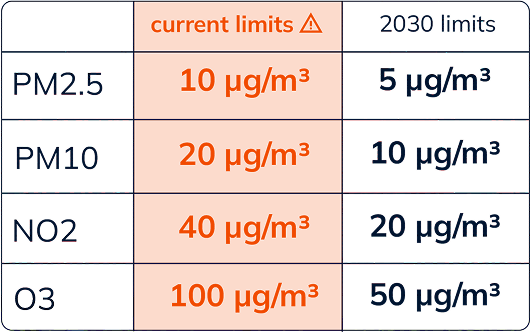






What changes for local authorities by 2030?

Stricter EU air quality values
The revised Ambient Air Quality Directive is halving the recommended PM2.5 annual limit – from 10 µg/m³ to 5 µg/m³.
This 50% tightening means that air previously seen as acceptable will soon be recognised as harmful, raising the bar for national and local action.

European councils obligations
Local authorities will be responsible for:
- Developing Air Quality Plans
- Implementing short-term action plans during pollution episodes
- Ensuring public access to real-time air quality information
- Reporting data that meets EU quality assurance and quality control requirements.
Future policy updates are expected to increase the emphasis on evidence, transparency, and spatial coverage.

The operational gap
Fixed reference stations provide high-quality data, but they cannot capture:
- Neighbourhood-level variation
- Exposure around schools, playgrounds, and busy roads
- The local impact of interventions and traffic measures.
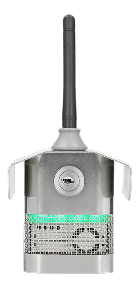
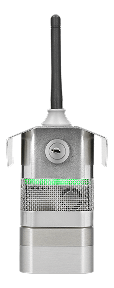
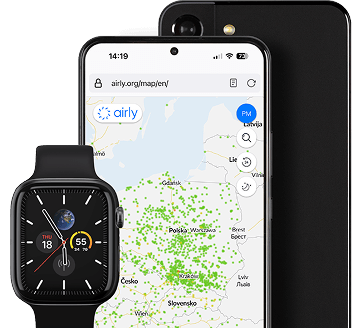
Small sensors fill this gap with near-reference accuracy, real-time minute-by-minute data, and 1 km coverage. They create an early-warning system for pollution spikes and emission sources.
See what data councils will be expected to provide
Why waiting creates risk
Key risks for councils include:

Reduced protection for vulnerable communities
Inability to demonstrate timely action for vulnerable groups, including children and residents with existing respiratory conditions.

Increased scrutiny and reputational exposure
Greater public, media, and stakeholders' scrutiny, as AAQD 2024 requires clearer communication of exceedances and health impacts.

Insufficient evidence for policy and investment decisions
Limited data to support transport planning, development control, or the evaluation of clean air measures.

Higher long-term costs and rushed compliance
Increased future expenses as delayed readiness often leads to reactive, fragmented investments instead of planned, compliant monitoring strategies.
Air quality compliance is no longer only an environmental concern. It is a governance, transparency, and risk-management issue.
Where indicative air quality measurements fit
– legally and practically
What are indicative measurements?
Indicative measurements are designed to:
- Provide spatial insight beyond fixed reference stations
- Identify trends
and local hotspots - Support public information,
planning, and decision-making
They complement, rather than replace, reference stations within AURN.
Legal and standards context
Indicative monitoring is increasingly supported by:
- CEN/TS 17660-1, providing technical guidance for indicative measurements
- MCERTS certification, assuring independent performance verification
- Emerging European practice, where hybrid networks are used to improve spatial coverage
How councils use them today
Local authorities across Europe use indicative networks to:
- Support the development and review of Air Quality Plans
- Monitor air quality around schools and traffic corridors
- Evaluate the impact
of interventions over time
Verified. Certified. Trusted.


Used at scale in major European urban air quality programmes.
What good readiness looks like in practice

A 2030-ready approach combines:
- Reference-grade stations for accuracy, compliance, and long-term trend assessment
- Hyperlocal indicative sensors for spatial coverage and neighbourhood-level insight
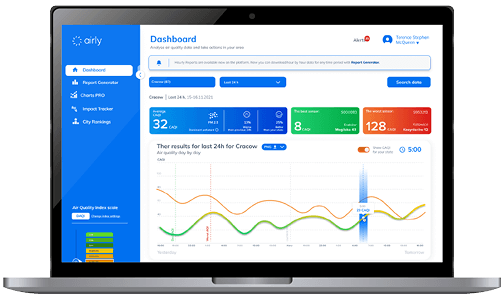
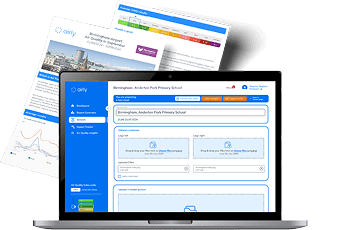
- Analytics and reporting tools to meet transparency, communication, and evidence obligations under AAQD 2024.
This enables councils to:
- Understand street-level variability and exposure patterns
- Communicate air quality information to residents clearly and in real time
- Justify interventions with robust, spatially representative data.
See how hyperlocal data changes decision-making
Read moreHow councils can act
– without complex procurement

Procurement routes
Municipalities across the EU typically deploy indicative monitoring through:
- Simplified procurement procedures below national/EU tender thresholds
- Pilot projects to validate technology before larger roll-outs
- Phased deployments aligned with available funding or multi-year planning cycles

Delivery timelines
Depending on scope, councils can implement:
- Urgent deployments within 7 days from contract signature
- Standard deployments within 14–30 days
- Expanded networks within 60–90 days

Budget fit
Many councils use available funds within the current financial year to:
- Launch pilot monitoring solutions
- Address priority locations such as schools or traffic corridors
- Prepare for future funding rounds, including national and EU programmes
Download the Readiness Guide 2030
Check your council’s
air quality readiness for 2030

Answer a few short questions to assess your current position:
- 01 Do you have hyperlocal air quality coverage beyond reference stations?
- 02 Can you evidence the impact of interventions?
- 03 Are your reporting tools public-facing and understandable?
- 04 Is your data suitable for discussion against WHO benchmarks?
After completion you receive:
 A readiness summary
 A tailored PDF overview
 The option to book a short consultation
Trusted in public programmes
Learn how large-scale programmes use indicative monitoring
See case studiesPrepare now
before readiness becomes a requirement
Download the Air Quality Readiness Guide 2030
Book a 15-minute readiness consultation
Contact Us
Build your ideal air quality monitoring setup



We have answers to your questions
Haven't found the answer to your question?
Our team will be happy to answer your questions
Contact Us